Enhancing Creative Projects with Charred Black Wood Texture Papers
In the world of design, texture is a powerful element that can transform a flat image into something rich and evocative. Charred Black Wood Texture Papers offer a unique way to add depth, character, and visual interest to your work. Whether you're designing for print or digital platforms, these textures provide an excellent foundation for creating dramatic, rustic, and masculine aesthetics.
Understanding Charred Black Wood Texture Papers
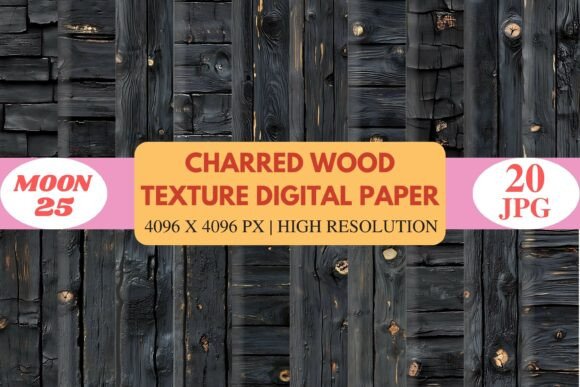
Charred Black Wood Texture Papers are high-resolution digital assets that mimic the look of real charred timber. These papers feature intricate details such as blackened surfaces, natural cracks, deep grooves, golden ember-like highlights, and rugged organic grain. Each texture is designed to evoke the raw beauty and intensity of aged wood, making them ideal for adding authenticity to creative projects.
The pack includes 20 JPG digital papers, each sized at 4096 × 4096 pixels. This high resolution ensures that the textures remain sharp and professional-quality, whether used in large-scale posters or detailed packaging designs. As part of the Creative Fabrica platform, they are optimized for instant download and easy integration into various design workflows.
Where They Fit Into Your Design Process
Texture papers like these are not just decorative elements; they serve functional roles in the broader creative process. You can use them during pre-production planning to set the mood for your project, while working on layout development to enhance visual hierarchy, or post-design to add finishing touches that elevate the overall look and feel.
Before the Project Starts
When conceptualizing a new design, consider how the texture will influence the tone and message. For instance, if you're developing branding materials for a luxury candle line or a men’s grooming brand, the charred wood texture can help establish a sense of warmth, strength, and timelessness. Using it early in the planning phase helps align your creative direction with the desired emotional impact.
During the Design Phase
Once you've chosen your primary design tools—such as Adobe Photoshop, Illustrator, or Canva—you can begin integrating the Charred Black Wood Texture Papers into your layers. Apply them subtly as background overlays or more boldly as standalone elements. The key is to maintain a balance between texture and content so that your message remains clear yet visually compelling.
For example, when designing a poster for a rustic-themed event, overlaying a charred wood texture behind text can make the typography stand out while reinforcing the theme. Similarly, using the texture in scrapbooking layouts can give pages a tactile, earthy quality without requiring physical materials.
After Completion: Refinement and Application
Even after your design is complete, these textures can be useful. Use them as final overlays to refine the contrast and add dimension. In product photography or packaging mockups, a charred wood background can create a grounded, natural feel that resonates with audiences seeking authenticity.
Use Cases Across Industries
These texture papers are versatile enough to support a wide range of applications. Here are some practical use cases across different industries:
- Branding: Incorporate the texture into logos, business cards, or website headers to convey a bold, earthy identity.
- Product Packaging: Add texture to labels or box designs to give products a handcrafted, premium appearance.
- Wall Art & Posters: Create moody, atmospheric backgrounds that draw viewers in and complement minimalist or industrial themes.
- Invitations & Stationery: Use the texture to craft wedding invitations, event flyers, or thank-you cards with a dramatic flair.
- Sublimation Projects: Print the textures onto mugs, phone cases, or apparel for custom items with a strong visual presence.
- Interior Design Mockups: Visualize furniture placements or room concepts with realistic charred wood textures for client presentations.
How to Integrate Into Your Workflow
Integrating Charred Black Wood Texture Papers into your workflow doesn’t require advanced technical skills. Most modern design software supports layer blending modes, which are essential for achieving the right effect. Here's how you can start:
- Download the pack from the Creative Fabrica site and save it to a well-organized folder within your project directory.
- Open your design file and import one of the textures as a new layer above your base background.
- Adjust the opacity and blend mode (often "Overlay" or "Soft Light") to let the texture enhance rather than overpower your content.
- Repeat the process with additional textures to build complexity and visual interest.
- Export your final design in the appropriate format, ensuring the texture maintains its quality at the intended size.
By keeping your textures organized and categorized by use case, you’ll streamline your workflow and avoid repetitive setup tasks. For those who frequently switch between print and digital outputs, having pre-sized and tested textures can save significant time and effort.
Working with Other Assets and Tools
These texture papers are most effective when combined with complementary design elements. Pair them with muted color palettes, metallic accents, or monochrome schemes to highlight their natural qualities. They also work well with grunge effects, weathered fonts, and minimalistic layouts to create cohesive, thematic designs.
If you’re using a design system or style guide, integrate the textures into your asset library. This ensures consistency across all branded materials and makes it easier for team members or collaborators to access and apply them correctly. When used alongside other Creative Fabrica resources, such as fonts or vector graphics, the result is a professionally curated aesthetic that enhances your creative output.
Practical Tips for Implementation
Here are some tips to help you get the most out of these texture papers:
- Layer Masking: Use layer masks to selectively reveal the texture where needed, avoiding unwanted distractions.
- Test at Scale: Before finalizing any print project, zoom in to ensure the texture holds up at the intended size.
- Color Adjustment: Convert the texture to grayscale or adjust its hue to better match your project's color scheme.
- Combine Textures: Layer two or more textures for added realism, especially in complex backgrounds like wall art or packaging.
- Optimize for Digital Use: Compress the final design appropriately for web use, but retain the original high-res files for future editing.
Efficiency and Long-Term Use
Efficiency in design comes from reusing high-quality assets. With 20 unique textures in this pack, you have ample options for variety without needing to source new images constantly. Consider setting up a personal resource bank for textures, fonts, and brushes to speed up future projects.
Over time, these textures can become a signature element of your portfolio or brand. Their timeless appeal makes them suitable for long-term use, especially in niches like lifestyle, home décor, or artisanal goods where a consistent aesthetic is crucial. Always back up your digital assets and keep them updated in your creative toolkit for quick access.
Real-World Applications
Let’s take a closer look at a few real-world examples where these textures can shine:
Example 1: Product Photography Backgrounds
Photographing candles, knives, or leather goods against a charred wood texture adds a tactile and authentic backdrop. The subtle variations in the wood grain help the product stand out naturally, enhancing perceived value and craftsmanship.
Example 2: Brand Identity for a Men’s Grooming Line
A clean logo with a charred wood texture overlay conveys maturity and reliability. When applied to packaging, social media templates, and website banners, it creates a unified, masculine brand presence that resonates with the target audience.
Example 3: Rustic Wedding Invitations
Wedding designers often seek unique ways to stand out. Adding a charred wood texture beneath calligraphy-style text gives the invitation a warm, romantic edge. It’s a detail that guests will notice and appreciate.
Compatibility and Usability
One of the standout features of this texture pack is its compatibility. Since the files are in JPG format and high resolution, they work seamlessly across both raster and vector-based design programs. Additionally, the lack of transparent areas makes them easy to use for beginners and professionals alike.
When sharing the textures with others—whether for collaborative work or client approvals—ensure they understand how to handle layered files properly. Providing simple instructions or a short tutorial can prevent misapplication and preserve the intended effect.
Quality Control and Organization
To maintain a high standard of output, always preview the textures in your final design environment before sending them off for print or publication. Check for alignment, clarity, and contrast. A small tweak in blending mode or opacity can significantly improve the final result.
Organizing your textures into folders by category—such as "Backgrounds," "Overlays," or "Print Ready"—helps you find the right one quickly. Labeling them clearly with keywords like "burnt," "organic," or "high contrast" can also speed up your selection process, especially when working under tight deadlines.
Conclusion
Charred Black Wood Texture Papers are more than just a design element—they’re a strategic tool that can shape the mood, message, and success of your creative projects. By understanding how to plan around them, implement them effectively, and maintain their quality over time, you can leverage these textures to create impactful, memorable designs. Whether you're building a brand, crafting an invitation, or producing a poster, the right texture can bring your vision to life with remarkable depth and authenticity.